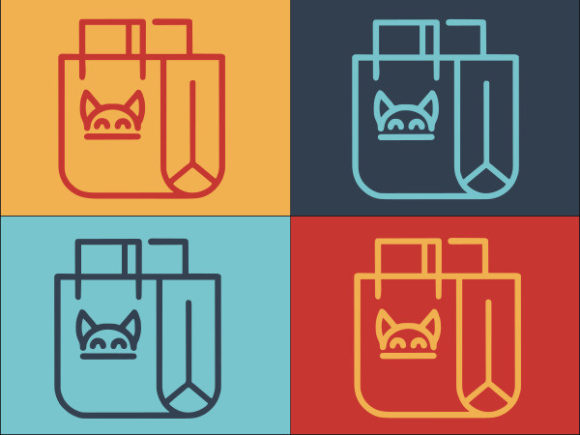
Cat Device Embroidery Design Review
First Impressions of Cat Device
When I first opened the Cat Device embroidery file, I was immediately struck by its clean lines and modern aesthetic. The design feels elegant without being overly complex, which is a rare balance in machine embroidery. It has a minimalist charm that makes it versatile for a wide range of projects. The layout is centered and symmetrical, giving it a polished look that screams professionalism.
The theme of the design is subtle yet effective. It’s not too playful or too serious—just right for a logo that needs to feel both approachable and trustworthy. The detail level is just enough to make it stand out without overwhelming the fabric. I can see this working well on custom apparel, embroidered patches, and even as part of a boutique branding package.
Real-Life Scenario: Custom Embroidered Tote Bag
Let me imagine using Cat Device on a custom embroidered tote bag. This is a common project for crafters, Etsy sellers, and small shop owners. The tote would be a great canvas because it allows the design to breathe and be seen from all angles. The size of the hoop needed for this project would depend on how large the final embroidery is, but I’d start with a 6x8 inch hoop for testing.
I’d begin by checking the stitch density and making sure there are no areas where the stitches might bunch up or create an uneven texture. The Cat Device design has smooth transitions between elements, which should translate well into satin and fill stitches. I’d also test it on a scrap piece of fabric first, using a stabilizer to ensure the design holds up during stitching.
If the thread colors contrast well with the fabric, the finished product will have a crisp, clean appearance. For a tote bag, I’d suggest using a light-colored fabric like white or beige to highlight the design. Darker fabrics could still work, but I’d need to adjust the thread colors accordingly to maintain visibility.
Once stitched, I’d expect the Cat Device to add a touch of sophistication to the tote. It would appeal to customers looking for something stylish yet functional—a perfect handmade product for a gift or personal use.
Performance in Real Embroidery Situations
Cat Device is a strong contender for various embroidery applications. It works well on custom apparel such as sweatshirts, t-shirts, and caps. Its simplicity means it won’t get lost on smaller items like baby clothes or embroidered patches. The design also looks good on more textured surfaces, though I’d recommend using a stabilizer for best results.
For commercial embroidery projects, the Cat Device can serve as a brand logo or a decorative accent. It fits nicely on products like aprons, pillow covers, and tea towels. If used on holiday gifts or wedding items, the design adds a touch of class without being too flashy.
Etsy sellers and craft fair participants will appreciate how easily Cat Device integrates into their existing design assets. It’s also a great option for printable mockups and digital product previews, allowing them to show potential buyers what the finished product will look like before they commit.
Where to Use with Caution
While Cat Device is a solid design, there are some situations where it might not perform as well. For example, if you're using it on very small hoop sizes, some details might get lost or distorted. Similarly, on stretchy or thin fabrics, the design may not hold its shape as well without proper stabilizing techniques.
Dense stitch areas or detailed corners could pose challenges, especially if the fabric isn’t perfectly smooth. I’d advise against using this design on dark fabrics unless the thread colors are carefully selected to ensure visibility. Also, when using it on curved surfaces like caps or hats, I’d check that the design doesn’t wrap around awkwardly.
Lastly, if you plan to sell finished items or digital versions of the Cat Device, be sure to confirm the licensing terms. As mentioned in the product description, the file is SVG-compatible and works with Inkscape, Gravit Designer, Adobe Photoshop, and other software, but always double-check any restrictions before commercial use.
Design Notes for Embroidery Professionals
As someone who regularly tests machine embroidery designs, I recommend the following steps when using Cat Device:
- Test on scrap fabric: Always do a trial run to check stitch density and how the design interacts with the fabric texture.
- Check thread color contrast: Ensure the chosen thread colors match or complement the fabric background.
- Review stitch density: Avoid overloading the design with too many stitches, especially on delicate fabrics.
- Confirm hoop size: Choose the right hoop to accommodate the full design without stretching or distorting it.
- Inspect small details: Make sure all parts of the Cat Device are clear and legible after stitching.
- Test in black and white mockups: This helps identify any issues with contrast or clarity.
- Compare light and dark backgrounds: The design may look different depending on the fabric color.
- Use proper stabilizer: Especially important for stretchy or thin fabrics to prevent puckering.
- Check whether the design works for both personal and commercial projects: Some files may have limitations on usage.
- Confirm licensing: Before selling finished items or digital products, make sure you’re allowed to do so.
Cat Device is a reliable and stylish addition to any embroidery designer's toolkit. Whether you're creating personalized gifts, custom apparel, or commercial embroidery projects, this design brings a fresh, modern edge to your work. Just remember to test it thoroughly and consider the fabric and context before finalizing your project.