Ceramic Cat Embroidery Design Review
A First Glance at Ceramic Cat
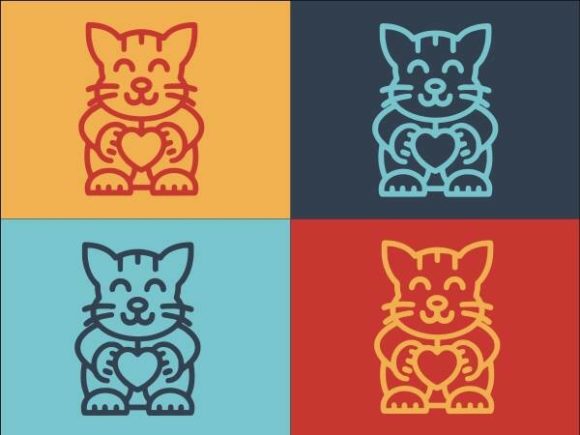
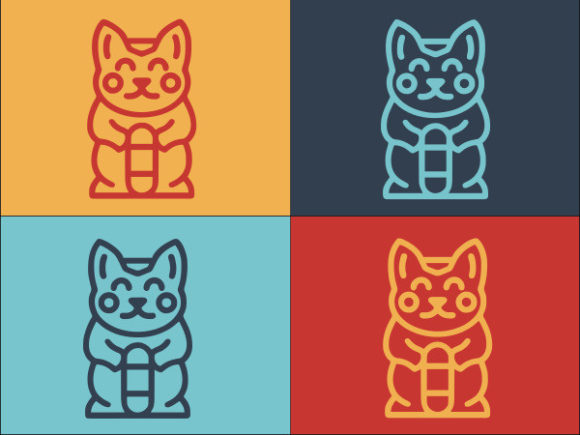
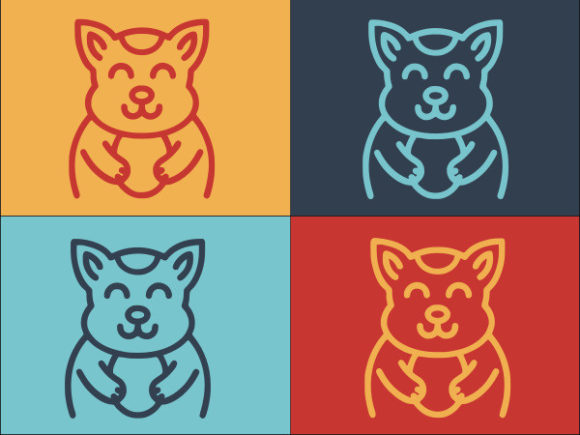
At first glance, Ceramic Cat exudes a calm and modern aesthetic that feels both approachable and refined. The design has a minimalist yet expressive quality, with clean lines and subtle details that suggest a sense of playfulness without being overly whimsical. It's the kind of logo that could easily fit into a variety of branding scenarios, from boutique shops to handmade product lines.
The shape of the cat is stylized but recognizable, making it versatile enough to appeal to a wide audience. Its layout is balanced and centered, which gives it a professional feel that’s ideal for embroidered patches or custom apparel. The visual personality of this design leans toward elegance, which makes it perfect for projects where a touch of sophistication is desired without sacrificing charm.
Real-Life Use: Custom Tote Bag Project
Let’s imagine using Ceramic Cat on a custom embroidered tote bag for a small shop. This is a common project for many crafters and Etsy sellers, and the design fits well in this context. The size and detail level are just right—neither too intricate nor too simple. When stitched, the cat would stand out nicely on a light-colored fabric, especially if paired with a contrasting thread color.
I can see how this design would work beautifully as a branded item for a boutique or even as a personalized gift. It adds a unique touch without overwhelming the fabric or the overall look of the tote. The versatility of Ceramic Cat means it could also be adapted for baby clothes, caps, or aprons, depending on the placement and scale.
However, when considering smaller hoop sizes or stretchy fabrics like knits, I’d advise testing the design on scrap fabric first. The stitch density might affect how the image appears on thinner or textured materials. A proper stabilizer would help maintain the integrity of the embroidery, especially on items that will undergo frequent washing.
Where to Use with Caution
While Ceramic Cat is a great all-rounder, there are certain situations where it might need some adjustments. For instance, when working with dark fabrics, the contrast between the embroidery and the background may not be as strong as desired. Testing the design in black and white mockups before finalizing the thread colors is a good idea.
Additionally, if you plan to use this design on curved surfaces like caps or hats, you’ll need to ensure the hoop size and stitching technique accommodate the curvature. Small details and tight corners might require more precise stitching or a different type of stitch, such as a running stitch instead of a dense fill stitch.
Dense stitch areas could also pose a challenge on thin or stretchy fabrics. In such cases, reducing the stitch density slightly or adjusting the design elements to avoid overcrowding the embroidery area would be beneficial. Always review the stitch density and consider whether any parts of the design might cause puckering or distortion on delicate materials.
Design Impact on Visual Appeal and Branding
The visual appeal of Ceramic Cat lies in its simplicity and clarity. It doesn’t try to be too busy, which makes it a safe choice for a wide range of embroidery projects. Whether used on a sweatshirt, pillow cover, or holiday gift, it maintains a consistent and polished look that enhances the overall presentation of the finished product.
For craft businesses or Etsy sellers, this design offers a professional edge that can elevate their brand identity. It’s easy to customize and adaptable to various themes, making it a valuable addition to a collection of embroidery files. When paired with the right thread colors and fabric choices, Ceramic Cat can significantly increase the perceived value of handmade products and attract more buyer engagement.
Its clean and modern style also contributes to a sense of trust and professionalism, which is essential for commercial embroidery projects or small shop merchandise. Customers tend to associate well-designed logos with quality, and Ceramic Cat delivers that impression effectively.
Practical Embroidery Designer Notes
Before using Ceramic Cat in any real project, I recommend testing it on scrap fabric first. This allows you to check how the design looks when stitched and whether the thread colors provide enough contrast against your chosen fabric. Also, reviewing the stitch density and ensuring the hoop size is appropriate for your project is crucial.
If you're planning to sell finished items or digital products featuring this design, make sure to confirm the licensing terms. While the file format (SVG) is compatible with several design programs like Adobe Photoshop and Inkscape, always verify that you have the right to use the design commercially.
Lastly, don’t forget to inspect small details and test the design in both light and dark backgrounds. These steps can save you time and effort later on, ensuring that Ceramic Cat looks as elegant and professional as it promises to be.